The Pathway through Freemasonry
Members Pathway
What is Freemasonry?
It is one of the world’s oldest and largest non-religious, non-political, fraternal and charitable organisations. It teaches self- knowledge through participation in a progression of ceremonies (playlets). Whilst Freemasons are not expected to be perfect in all they do, members are expected to be of high moral standing and are encouraged to speak openly about Freemasonry.
Brotherly Love
tolerance and respect for others and their opinions, kindness and understanding towards other people.
Relief
caring for each other and also the wider community through charitable giving and voluntary work
Truth
truth and honesty, exhibiting high moral standards in our lives and encouraging them in others.
Why Join Freemasonry?
People join Freemasonry for a variety of reasons: fellowship, social aspects, friendships, intellectual and moral self- improvement or even spiritual reasons. Some because they are simply intrigued and inquisitive to learn more OR believe that Freemasonry will offer them an opportunity to learn and develop as citizens and individuals. Whatever the reason for joining Freemasonry, it is hoped that you will experience more and different benefits than you anticipated; benefits that are gained from being a member of our wonderful fraternity.
Kindness
Freemasons have always been deeply involved in charity and make a major contribution to society through their own charities, as well as through donations to UK charities and worldwide disaster funds, with members playing an active role in their communities.
Fairness
Freemasons treat all as equal. For many, the organisation’s biggest draw is the fact that members come from all walks of life and meet as equals whatever their race, religion or socio-economic position
Honesty
Freemasonry prides itself on its transparency. Not only are Freemasons completely free to acknowledge their membership, they are encouraged to do so.
Integrity
Freemasonry prides itself on its transparency. Not only are Freemasons completely free to acknowledge their membership, they are encouraged to do so.
Tolerance
Freemasons are expected to show respect for the opinions of others and behave with understanding towards other people.
Tolerance
Freemasons are asked to be the best people they can be, which comes hand in hand with following the above principles of kindness, honesty, fairness, tolerance. A Freemason is always considered a Brother to every other Freemason in the world.
FAQs
The Lodge Mentor holds a senior office in the Lodge. He has the important role of ensuring an appropriate experienced member of the Lodge is appointed as a Personal Mentor for every new Candidate. This is to ensure that the Candidate receives the correct guidance during their informative years in Freemasonry, especially as they progress through the three degrees and into the Holy Royal Arch. The Personal Mentor may be one of your Sponsors (Proposer or Seconder) if they have the experience and time.
A Lodge Room or Temple, is thoughtfully arranged with designated seating for Lodge Officers. Each Officer plays a key role in ensuring the Lodge operates effectively. Lodge meetings are typically divided into two halves, with an agenda shared beforehand in a formal notice called a Summons.
In the first half of the meeting, administrative tasks are addressed. Discussions typically cover Lodge news, proposing new members, financial updates, and reviewing minutes from previous meetings.
In the second part of the Lodge meeting, one of the following ceremonies may take place:
- First Degree (Ceremony of Initiation): The first step in a Freemason’s journey, where a candidate is formally initiated into the Lodge, taking an oath and committing to the principles of Freemasonry—Integrity, Friendship, Respect, and Service.
- Second Degree (Ceremony of Passing): The candidate progresses to the Fellowcraft Degree. This Degree encourages exploration of nature, science, and self within the universe.
- Third Degree (Ceremony of Raising): The final stage of the Craft, symbolising self-reflection, moral growth, and the contemplation of life’s deeper meanings.
- Installation Ceremony: Marks the appointment of the new Worshipful Master, who takes over the leadership of the Lodge and appoints the other Officers for the year.
- The Ceremony of Exaltation: The Ceremony of Exaltation sees members follow the clues from the Third Degree to complete their journey in Pure Antient Masonry, in a spectacular and unforgettable ceremony. Through ongoing participation, members will work together with old friends and new Companions to build on the principles of the Craft and unlock fresh perspectives on the meaning and value of Freemasonry.
In practical terms, we are one organisation. From the outset, every new Freemason must understand that their Masonic journey comprises these four elements, with the Royal Arch as the fourth and ultimate stage, which enriches and completes that journey. It is an aspiration we hope all will seek to fulfil when the time is right for them.
We don’t want to spoil the fun of your Initiation so the only way to find out is to be initiated. The First Degree Ceremony represents birth, in the sense of emergence, of a Candidate’s Masonic knowledge. When we first enter Freemasonry, we are without the hidden knowledge of the Craft and rely on the help and guidance of others, such as our Sponsors, Mentors and indeed any other Brother. It is hoped that you as a brother will develop in the Craft and you in turn can extend help to others.
You will be blindfolded at the first part of the ceremony and this represents the darkness associated with the lack of knowledge and Masonic Education and also enables the Candidate to be led into the Lodge Room without seeing the arrangement of the Lodge. At the appropriate part of the ceremony, the Lodge is revealed to you. This symbolically represents the beginning of your Masonic knowledge and journey.
We take oaths on the Volume of the Sacred Law, which in our Lodge is usually the Bible but could be the sacred Book of another Religion as held by the Candidate, such as the Koran etc.
Inside the Lodge Room you will be asked to confirm that your entry was of your own volition, to confirm your belief in God, and that you are of mature age and have voluntarily agreed to go through the Ceremony of your Initiation.
When you join, you pay a joining fee and an initiation fee which are once only payments. There is then, like all clubs, an annual fee.
These are broadly similar for all Lodges, but there are slight variations.
Our fees are
Joining Fee. £100
Initiation Fee. £150
Annual Fee. £300
At St John’s Wood Lodge we acknowledge one advantage – the joining fee now covers not only your joining of a craft Lodge, but also the “fourth step” being the Royal Arch, so unlike previously, there is no longer a cost to joining the Royal Arch once you become a Master Mason.
The Annual Fee varies because the bigger the Lodge, the lower the costs. This is why the larger London lodges are often popular, because the higher costs of being in London are often rapidly outpaced by the growth in members.
In the last year, for example, we have had 12 members apply to join.
Simples! as they say.
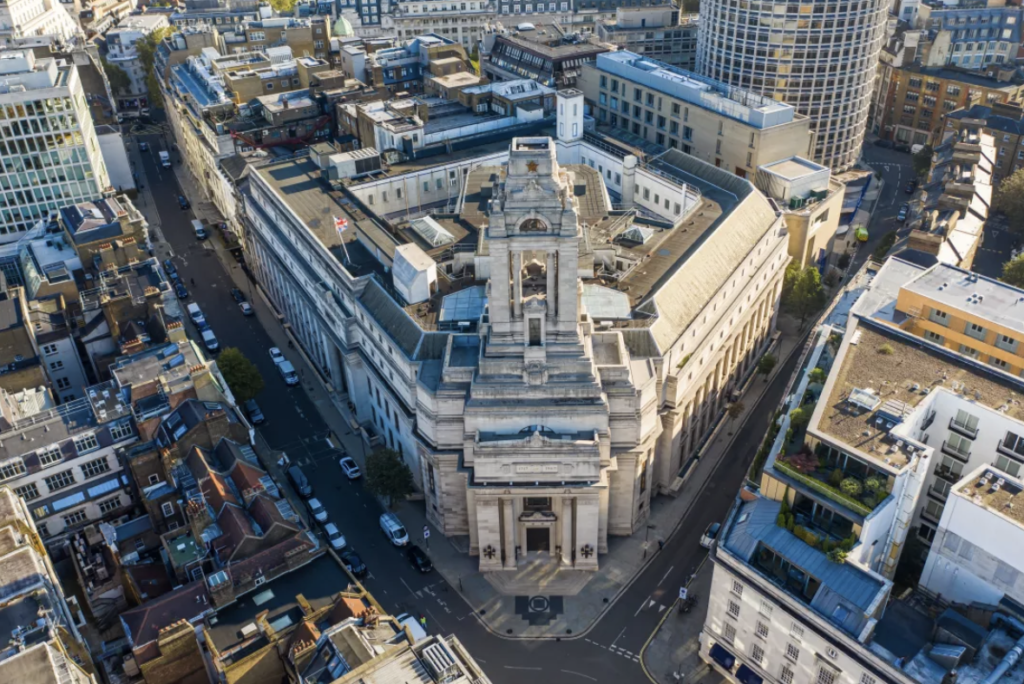
Drop us a line at stjohnswoodlodge4806@gmail.com or call our Secretary on 0796 244 8000. If it’s a fourth Wednesday of the Month, you can pop-in to Freemasons Hall (60 Great Queen Street, just round the corner from Covent Garden) between 3pm and 4.30pm and meet us informally before the Lodge Meeting (although our Secretary will often be happy to meet you at FMH or in Westminster at most times.
The Master is…well, head of the Lodge, guided by the Past Masters and the Secretary.
Not yet, although we have a large series of specialist people in our lodge, from technology experts, ggas engineers, heating engineers, lawyers, JPs, as well as Directors of all sorts of companies, military veterans,
One of the first steps in beginning your Masonic journey is understanding the Lodge, one of the cornerstones of Freemasonry. By the end of this blog, you’ll have a clearer understanding of what a Lodge is, making it easier to decide whether Freemasonry is the right path for you.
The United Grand Lodge of England (UGLE), the governing body of Freemasonry in England, Wales, the Channel Islands, the Isle of Man, and overseas Districts, oversees more than 7,000 Lodges, including 87 University Scheme Lodges open to students and those connected to universities.
A Lodge is a community of individuals who share similar values, a sense of purpose, and a dedication to making a positive impact on society. Through timeless traditions and ancient ceremonies, Freemasonry provides an opportunity to explore your potential through improved self-knowledge and confidence on an enduring foundation of ethical and moral values, united by the core values of Integrity, Friendship, Respect, and Service. Within the Lodge, members collaborate to support local charitable causes and develop practical solutions to assist those in need.